
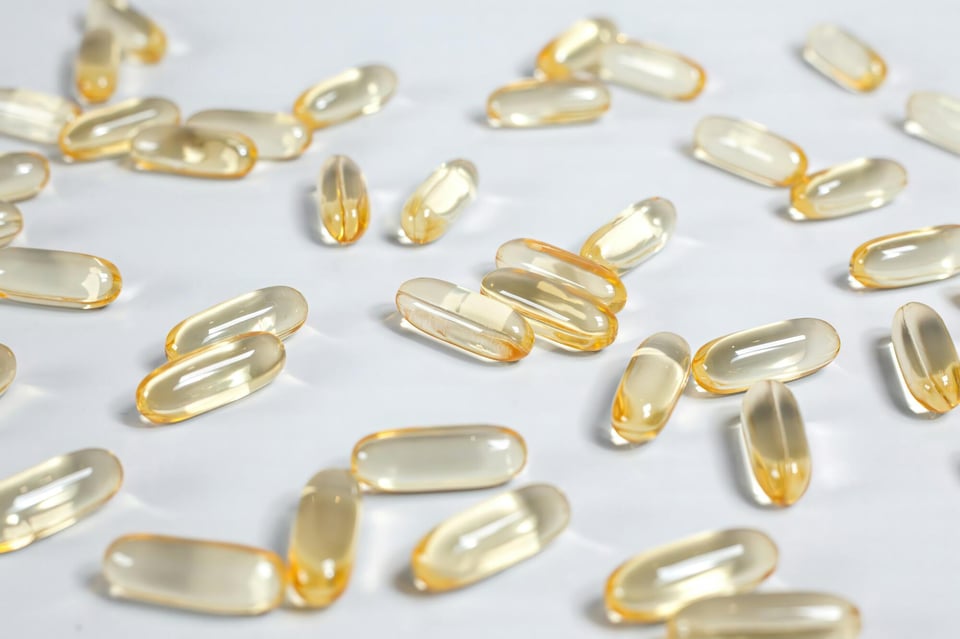
As we age, keeping our minds sharp becomes a top priority. Many seniors wonder what vitamins are good for brain health and how they can support memory naturally. The good news is that certain nutrients can play a big role in healthy aging.
Aging brains can stay sharp and vibrant. In 2025, 7.2 million Americans aged 65+ live with Alzheimer's dementia, with 1 in 9 affected -- numbers set to rise without action.
At Vista Del Rio Senior Living in Peoria, AZ, we believe wellness starts with good nutrition. Let's explore the vitamins and nutrients that research shows can help protect your brain.
Why Brain Health Matters as We Age?
Our brains change as we get older. Memory may not be as quick, and focus can become harder. These shifts are normal, but they don't have to take over your life.
What we eat affects how our brains work. Getting the right vitamins for memory can help slow cognitive decline and support senior wellness. Some top choices of vitamins include:
B Vitamins: The Brain's Best Friend
B vitamins are among the most important nutrients for focus and brain function. Vitamin B12, in particular, stands out for protecting the brain.
Mild B12 deficiency can raise the risk of memory problems in older adults. This vitamin maintains healthy nerve cells.
Key B vitamins for brain health include:
- Vitamin B12 for nerve function and memory
- Vitamin B6 for mood and brain signaling
- Folate (B9) for reducing harmful compounds
Many seniors struggle to absorb B12 from food alone. A daily multivitamin can help.
Vitamin D: The Sunshine Vitamin for Your Mind
Vitamin D does more than strengthen bones. It also protects brain cells and supports cognitive function.
Our bodies make vitamin D in sunlight. However, many older adults spend less time outdoors, making deficiency common. Research from Frontiers in Nutrition found that vitamin D deficiency was linked to cognitive problems in older adults.
Ask your doctor to check your vitamin D levels. Many seniors benefit from supplements.
Omega-3 Fatty Acids: Fuel for Your Brain
While not technically vitamins, omega-3 fatty acids deserve a spot on this list. These healthy fats are essential brain-boosting supplements that promote quality senior living.
Your brain is nearly 60% fat, and omega-3s make up a large part. They reduce inflammation and support brain cell communication.
Benefits of omega-3s include:
- Supporting memory and learning
- Reducing inflammation linked to cognitive decline
- Protecting brain structure
According to a study from the Parsemus Foundation, it's recommended to eat omega-3-rich fish twice weekly or take supplements to maintain optimal levels.
Multivitamins May Help
Sometimes, the best approach is to combine nutrients. A report from Mass General Brigham found that daily multivitamins may help slow cognitive decline.
People taking multivitamins had better memory compared to placebo. The effect was like turning back brain aging by two years.
Supplements don't replace healthy eating. But they can fill nutritional gaps common with age.
Antioxidants: Protecting Brain Cells
Antioxidants fight damage from harmful molecules. Several vitamins act as antioxidants and support healthy brain aging.
Key antioxidant vitamins include:
- Vitamin E from nuts, seeds, and leafy greens
- Vitamin C from citrus fruits and peppers
- Vitamin A from colorful fruits and vegetables
Including a variety of these antioxidant-rich foods in your meals helps shield your brain from oxidative stress and supports long-term cognitive health.
Minerals That Support Cognitive Function
Certain minerals work alongside vitamins for brain health. Magnesium supports brain function. Zinc and selenium also play protective roles.
Good sources of brain-healthy minerals include:
- Nuts and seeds for magnesium and zinc
- Whole grains for selenium
- Leafy greens for multiple minerals
Incorporating these mineral-rich foods into your daily diet helps ensure your brain has the essential nutrients it needs to function optimally.
Building a Brain-Healthy Lifestyle and When to Talk to Your Doctor
Vitamins work best as part of a complete wellness approach. At Vista Del Rio Senior Living, we encourage residents to combine nutrition with healthy habits.
- Physical activity increases blood flow to the brain
- Social connections keep the mind engaged
- Quality sleep allows the brain to repair itself
- Independent living offers opportunities to stay active and connected
Before starting any supplement, check with your healthcare provider. Some vitamins can interact with medications. Blood tests can reveal deficiencies. Your doctor can help choose the right supplements.
Frequently Asked Questions
Can Vitamins Really Prevent Memory Loss?
Vitamins cannot completely prevent memory loss, but they may help slow cognitive decline. Research shows that multivitamins and nutrients like B12 and omega-3s support brain health. These brain-boosting supplements work best combined with a healthy diet and exercise.
How Much Vitamin D Do Seniors Need for Brain Health?
Most experts recommend that adults over 70 get at least 800 IU of vitamin D daily. However, many seniors need more, especially with low blood levels. Your doctor can test your status and recommend the right amount for you.
What Foods Contain the Most Brain-Healthy Vitamins?
Fatty fish like salmon provide omega-3s and vitamin D. Leafy greens offer folate and antioxidants. Nuts and seeds contain vitamin E and healthy fats.
Should I Take Individual Vitamins or a Multivitamin for Senior Cognitive Wellness?
A daily multivitamin designed for seniors is a good starting point. It provides essential nutrients that support healthy aging. If blood tests show specific deficiencies, your doctor may recommend additional supplements.
Are There Any Vitamins Seniors Should Avoid?
Most vitamins are safe when taken as directed. However, very high doses can cause problems. Too much vitamin E may increase bleeding risk.
How Soon Do the Effects of Vitamins Show on Brain Health?
Most people notice subtle improvements in energy and mental clarity within 4-8 weeks of consistent supplementation. However, significant cognitive benefits typically require 3-6 months of daily use.
What Vitamins Are Good for Brain Health? Final Word
Vista Del Rio Senior Living offers an independent, maintenance-free lifestyle with easily accessible support services at an affordable cost.
Savor three chef-prepared meals packed with brain-healthy nutrients, including B Vitamins, omega-3 fatty acids, and more. Good nutrition and engaging activities support cognitive wellness every day. These simple habits make a real difference for healthy brain aging.
Ready to learn more about what vitamins are good for brain health at our community? Contact Vista Del Rio today to schedule a tour and discover how our vibrant community supports your brain health and independence.